A chipped tooth can happen suddenly, but several reliable treatments can restore its appearance and function. This blog post explains why chips occur, what to do immediately after the injury, and the most common options for repairing a chipped tooth—from bonding and veneers to crowns and root canal therapy—so patients can better understand what to expect when seeking care.
A chipped tooth can happen in an instant. Biting into something harder than expected, taking a fall, or simply grinding your teeth without realizing it are all common ways that teeth can be chipped. Even a small chip can feel sharp to your tongue, affect your confidence, or make you worry about long-term damage. The good news is that modern dentistry offers several reliable solutions for repairing chipped teeth, restoring both strength and appearance in a way that feels completely natural.
At Harmony Dental Care, chipped-tooth treatment from our dentists in Ridgeland and the Madison, Mississippi area is tailored to your specific needs, your dental health, and your cosmetic goals. Below, we’ll walk through why chips happen, what to do right after the injury, and the most effective treatment options available.
Why Do Teeth Chip?
Teeth are remarkably strong, yet they’re not indestructible. Chips can occur for several reasons, including:
Biting Something Hard: Ice, hard candy, unpopped popcorn kernels, and even certain nuts are common culprits.
Accidents or Trauma: Falls, sports injuries, and unexpected impact to the mouth can chip or fracture a tooth.
Wear and Tear: Teeth that are already weakened by grinding (bruxism), large fillings, or enamel erosion are more likely to chip.
Temperature Extremes: Going quickly from very hot to very cold foods can stress enamel, making small cracks more likely
Sometimes the chip is minor—perhaps just a tiny edge. Other times it affects the structure of the tooth. Because it’s hard to tell the difference on your own, early evaluation is key.
What to Do If You Chip a Tooth
A chipped tooth isn’t always an emergency, but it’s still important to act promptly. Here’s what you can do right away:
Rinse with Warm Water
Cleaning the area helps remove debris and reduce irritation.
Save Any Large Fragments
If part of the tooth broke off, place it in milk or saliva. While the fragment often can’t be bonded back, it’s still worth bringing to your appointment.
Use a Cold Compress
If the lip or cheek is bruised or swollen, applying cold pressure can reduce discomfort.
Apply Dental Wax (If Needed)
A sharp edge can irritate your tongue. Over-the-counter dental wax or sugar-free gum can provide temporary protection.
Call Your Dentist
Even small chips can worsen without treatment, so scheduling a visit is the safest choice.
How Dentists Fix a Chipped Tooth
Treatment depends on the size, location, and severity of the chip, as well as the overall condition of the tooth. Both cosmetic dentistry and restorative dentistry options are capable of fixing a chipped tooth. At Harmony Dental Care, the most common and effective treatments include:
1. Dental Bonding
Best for: Small to moderate chips, minor cosmetic repairs
Dental bonding uses a tooth-colored composite resin to rebuild the missing portion of the tooth. This is one of the simplest and most cost-effective solutions, and the entire procedure can often be completed in a single visit.
How it works:
The tooth is lightly etched to help the material adhere, then the composite is applied, sculpted to shape, and hardened with a curing light. Bonding is designed to blend naturally with surrounding teeth, and many people can’t even tell where the chip used to be.
Benefits:
- Non-invasive
- Quick, often 30–60 minutes per tooth
- The results should look as natural as possible
- No need for anesthesia in most cases
While bonding is durable, it may need periodic touch-ups over time, especially for teeth that experience heavy wear.
2. Porcelain Veneers
Best for: Visible front teeth, chips that affect shape or symmetry, cosmetic enhancement
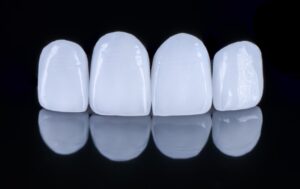
For a chip on a front tooth, porcelain veneers are a long-lasting and highly aesthetic option. Veneers are thin ceramic shells that bond to the front and sides of the tooth, concealing chips, cracks, discoloration, and uneven edges.
Why patients choose veneers:
- Beautiful, highly natural appearance
- Stain-resistant ceramic
- Ability to refine tooth shape, size, and brightness
- Long-term durability—often lasting a decade or more
Harmony Dental Care also offers no-prep, ultra-thin veneers for eligible patients. These require little to no enamel removal and can achieve impressive cosmetic improvement with a very conservative approach.
3. Porcelain Crowns
Best for: Larger chips, fractures, weakened or heavily restored teeth
If the chip is extensive or compromises the tooth’s strength, a porcelain dental crown may be the safest option. A crown covers the entire tooth, restoring stability and preventing further damage.
Crowns are especially beneficial when a chipped tooth also has:
- Large existing fillings
- Cracks deeper than the enamel
- Significant structural loss
- Sensitivity when chewing
Modern porcelain crowns can blend seamlessly with surrounding teeth, offering both protection and cosmetic improvement.
4. Root Canal and Crown
Best for: Deep chips that expose the pulp or cause nerve pain
If the chip reaches the inner tissue of the tooth, bacteria can enter and cause pain or infection. In these cases, a root canal removes the damaged tissue, preserves the remaining tooth structure, and can ultimately prevent further complications. After treatment, a crown is placed to restore function and appearance.
Which Option Is Best for You?
Every chipped tooth is unique. The ideal treatment depends on:
- Where the tooth is located
- Whether the chip is primarily cosmetic or more deeply structural
- The condition of your enamel
- The presence of prior dental work
- Your long-term aesthetic goals
During your visit, our dentist will evaluate the tooth, take digital images if needed, and explain all appropriate options. Many patients are surprised by how quickly and comfortably chipped-tooth repairs can be completed and how natural the results look.
How to Prevent Future Chips
Once your tooth is repaired, a few habits can help protect it going forward:
- Avoid chewing hard objects (ice, pens, popcorn kernels)
- Wear a nightguard if you grind your teeth
- Use a sports mouthguard during athletic activities
- Keep up with routine cleanings and exams
- Limit acidic foods and beverages that soften enamel
Healthy enamel is your first line of defense, and consistent care goes a long way.
Key Takeaways
Whether your chip is small or more substantial, you have several dependable options for restoring your tooth’s strength and appearance. Many repairs are fast, effective, and incredibly natural-looking. At Harmony Dental Care, the goal is always the same: provide a solution that feels good, looks right, and supports long-term oral health.
If you’ve recently chipped a tooth, or have been living with one for a while, please contact our office to schedule a visit. A smoother, stronger, more confident smile may be just one appointment away.