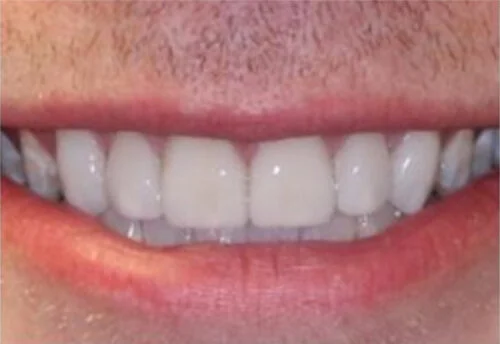


How Cosmetic Dentistry Can Enhance Your Smile
Read More
Teeth Whitening
Brighten Your Smile with Take-home Teeth Whitening and KöR® Deep Bleaching™
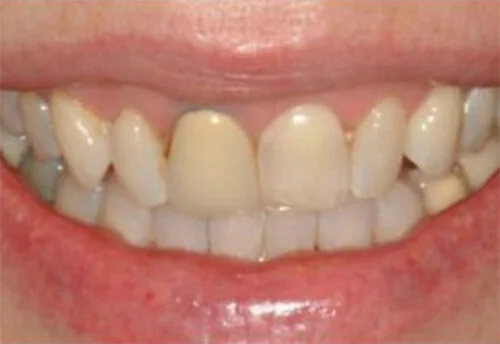
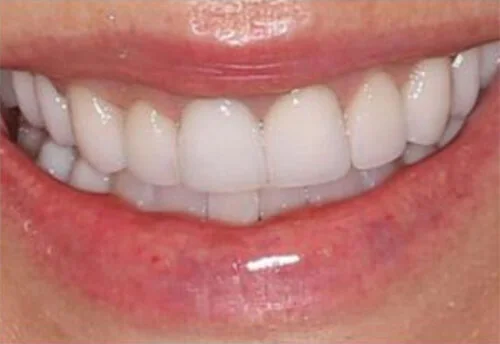
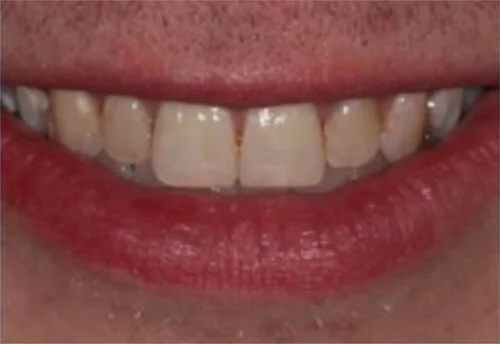
Stained and darkened teeth can influence your entire appearance. Cosmetic dentistry from our Ridgeland dentist can prove highly effective at teeth whitening, dramatically brightening your smile. As part of our cosmetic dentistry services, we offer patients innovative KöR® Deep Bleaching™, as well as traditional take-home whitening trays. Both treatments are great options, but one may be better suited to your goals, health needs, or budget. Dr. Kalil Abide will conduct a complete evaluation to determine the right treatment for you. No matter which option you choose, your sparkling new smile will transform your appearance and illuminate your face. To learn more about teeth whitening at our Jackson, MS, practice, contact Harmony Dental Care today.
Explore Topics on this Page

What Are Our Teeth Whitening Options?
KöR® Deep Bleaching™
 KöR® Deep Bleaching™ is a revolutionary new whitening treatment that can address both intrinsic (internal) and extrinsic (external) stains. Extrinsic stains result from outside factors, such as food, beverages, smoking, and aging. Intrinsic discoloration occurs on the inside of your teeth, and may be due to medication, dental infection, or a medical condition. The KöR® treatment, which combines take-home whitening trays with an in-office whitening procedure appointment, employs a powerful whitening gel that sets off an oxidation reaction inside your teeth. This chemical reaction will break apart the bonds between these stains.
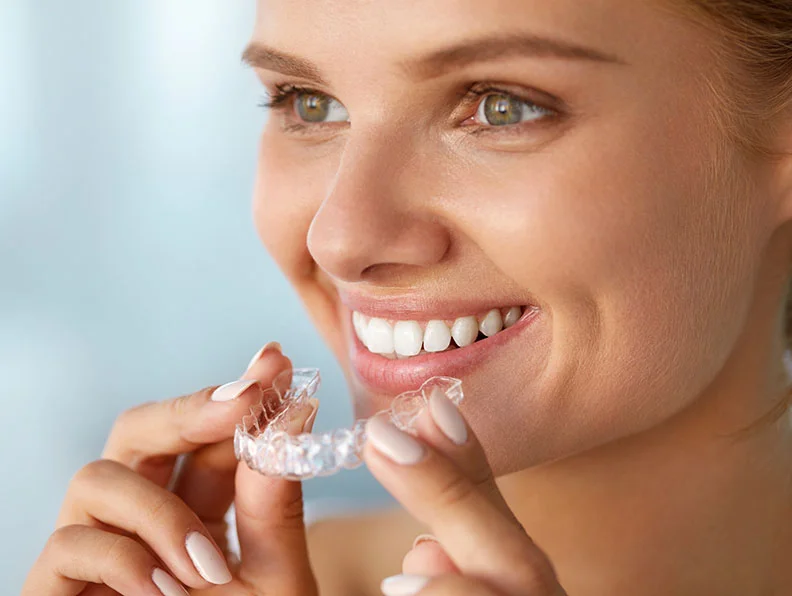
In addition to KöR® Deep Bleaching™, we also offer traditional custom take-home whitening trays. After filling the trays with whitening gel, you will wear them over your teeth for an approximate time recommended by the strength of your whitening gel. Today’s whitening gels are conveniently made so that wear time is as little as 15 minutes a day to 2 hours a day. Typically, the treatment regimen will last two weeks, after which you should enjoy a significantly lighter and whiter smile. The exact length of your treatment will depend on the degree of discoloration and how your teeth respond to whitening.
Which Type of Whitening Is Right For You?
KöR® Deep Bleaching™ has made whitening treatment available to a wider range of patients than ever before. This treatment may be right for you if you struggle with intrinsic discoloration, extrinsic stains, or both. It is also suitable for a wide age range.
At-home whitening targets extrinsic dental stains. Although home whitening results are typically not as dramatic as those possible through KöR® treatment, affordable at-home care can still be a great way to enhance your smile. To maintain the results of your whitening treatment, you will need to undergo routine touch-ups, and should avoid a diet heavy in red wine, coffee, and other staining agents. Typically, you should perform these touch-ups every six months, but this will depend on Dr. Abide’s recommendations.
What Are Teeth Whitening Treatment Benefits?
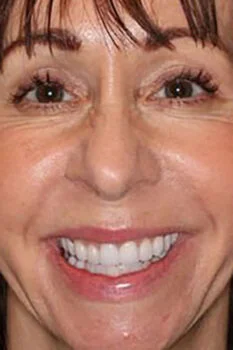
Both of our teeth whitening treatments can have a significant impact on your appearance. Your whiter teeth will light up your face and even help you look years younger. In turn, you may enjoy an enhanced sense of self-confidence, as well.
Revolutionary KöR® Deep Bleaching™ offers additional benefits over other treatment options, however. The advantages of this treatment include:
- KöR® can lighten the shade of your smile dramatically
- The results are permanent – even if you routinely drink coffee, tea, or red wine
- The whitening gel is specially formulated to reduce or eliminate dental sensitivity
For these reasons, many of our patients opt for this treatment over traditional take-home trays. Of course, the treatment that is right for you will depend on your cosmetic goals, budget, and schedule.
Is Teeth Whitening Safe?
Teeth whitening is generally safe when overseen by a qualified dentist like Dr. Abide. Professional treatments, whether performed in-office or offered through a take-home kit, help ensure the bleaching agents are applied safely and are safe to use. However, excessive or incorrect use of whitening products can lead to tooth enamel damage or increased sensitivity. It is important to follow all guidelines and consult with Dr. Abide, especially if you have dental issues such as gum disease, before starting any whitening treatment.

Additional Frequently Asked Questions About Teeth Whitening
Will I have tooth sensitivity during my teeth whitening treatment?
Some patients experience temporary tooth sensitivity during teeth whitening treatment, especially in the first few days. This generally happens because whitening agents can penetrate the enamel and irritate the inner layer of the tooth. If sensitivity occurs, it’s usually mild and resolves shortly after treatment ends. Using toothpaste made for sensitive teeth and avoiding very hot or cold foods and drinks can help. If sensitivity becomes uncomfortable, let our team know and Dr. Abide may propose adjusting your treatment schedule or using a lower-strength whitening option.
How often should I have my teeth whitened?
How often you should whiten your teeth may be influenced by the type of whitening you choose, your lifestyle habits, and how quickly your teeth become stained. Many patients can maintain a brighter smile with touch-ups every 6 to 12 months. However, over-whitening can lead to tooth sensitivity or gum irritation, so it’s best to follow Dr. Abide’s instructions. Additionally, avoiding tobacco and limiting stain-causing foods and drinks such as coffee, tea, and red wine can help your results last longer.
Can porcelain veneers be whitened?
Porcelain veneers cannot be whitened the same way natural teeth can. Whitening treatments are designed to lighten tooth enamel, but veneers are made from porcelain and do not respond to bleaching agents. If your veneers look darker over time, it may be due to staining around the edges or changes in the color of your natural teeth. In some cases, professional cleaning can help improve their appearance. If you want a brighter, more even smile, Dr. Abide may suggest whitening your natural teeth first or replacing veneers to match your desired shade.
Can I whiten my teeth if I have gum disease?
If you have gum disease, it’s best to treat it before whitening your teeth. Whitening products can irritate inflamed gums and may increase sensitivity or discomfort if your gum tissue is already unhealthy. Gum disease can also cause gum recession, exposing tooth roots that don’t whiten the same way as enamel. For the safest and best results, please schedule a dental exam first. Dr. Abide can help many patients restore gum health with periodontal treatment and recommend the right time and method for whitening. Once your gums are healthier, teeth whitening is often a viable option.
Learn More About Enhancing Your Smile
If you would like whiter, brighter teeth, we can help at Harmony Dental Care. To schedule an appointment, or learn more about our teeth whitening options, contact our dental office today.